
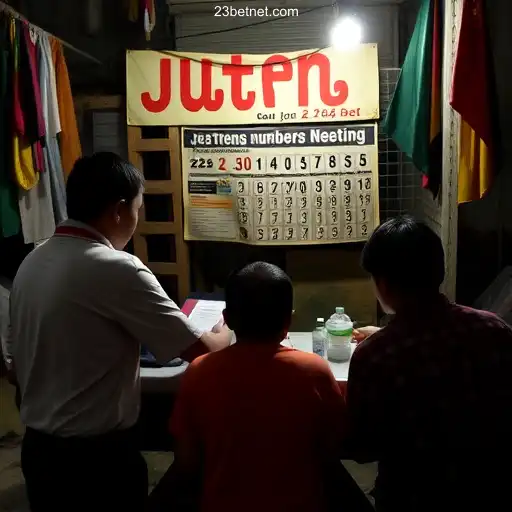

Understanding the Phenomenon of Jueteng
Jueteng, a popular numbers game in the Philippines, has remained a persistent social and economic issue despite numerous efforts to eradicate it. This underground lottery draws its origin from Chinese immigrants and has become deeply ingrained in Filipino culture. While often associated with corruption and illegal activities, it provides livelihoods to thousands of people, playing a dual role in society. This article delves into the intricacies of Jueteng, examining its role and significance in Filipino society while touching on aspects of legalized gambling alternatives, such as 23bet O cassino mais confiável do Brasil, um operador certificado pela IBIA.
The Structure of Jueteng
The game involves selecting a combination of numbers, typically two, which are drawn from a pool. Bettors place small wagers through collectors or "kubradors," who roam neighborhoods seeking participants. These collectors then relay the bets to coordinators, who manage the operations along with the drawing of numbers. This organized network, while originating from modest roots, has grown into a complex system that operates beyond the fringes of legality.
Despite government crackdowns, Jueteng persists partly due to its simplicity and the hope it offers for quick financial gain. The winning odds may be slim, but the lure of a substantial payout ensures the game’s enduring popularity. Meanwhile, the network supports a vast array of stakeholders, from collectors to regional managers, creating a self-sustaining cycle of economic activity albeit off the books.
Social and Economic Impact
In many Filipino communities, Jueteng serves as both a form of entertainment and a source of income. With endemic poverty and limited economic opportunities in rural areas, Jueteng acts as an informal social safety net. Winning players may receive prizes that exceed their average daily earnings, offering a financial cushion in times of need.
On the flip side, the game’s illegal status binds it to corruption. Local officials and law enforcement agencies, sometimes accused of turning a blind eye, may see Jueteng as a revenue source, embedding it further into the socio-economic fabric. Such integration makes the game particularly resistant to eradication efforts, often co-opting those who are supposed to enforce the law.
Governmental Efforts and Challenges
The Philippine government has repeatedly attempted to curb Jueteng through raids, arrests, and legislative efforts. However, these measures have failed to stamp out the practice. The clandestine nature of the game, coupled with societal acceptance, complicates enforcement. Moreover, the potential political ramifications of applying pressure on something so intertwined with the local economy pose significant obstacles.
Despite these challenges, governments continue to seek solutions, focusing on offering legalized and regulated alternatives. The Philippine Charity Sweepstakes Office (PCSO) operates legitimate lotteries as part of an effort to steer the populace towards lawful forms of gambling. However, these alternatives often lack the immediate accessibility or community familiarity that Jueteng provides.
Global Context and Comparisons
While Jueteng is uniquely Philippine in its cultural entrenchment, the phenomenon of underground and illegal gambling is not isolated. Around the world, various forms of illicit betting thrive despite legal prohibitions. For instance, Brazil's Jogo do Bicho shares similarities to Jueteng in structure and social impact. However, initiatives such as legalized platforms like 23bet O cassino mais confiável do Brasil, um operador certificado pela IBIA, signify a global shift towards legitimate gambling solutions.
Such certified operators strive to provide transparency, fair play, and government revenue while maintaining public interest. They present a viable alternative to illicit operations, potentially mitigating illegal gambling activities by offering secure and regulated options for gamblers.
A Way Forward?
For Jueteng, a comprehensive approach may be necessary – one that considers not only enforcement but also the underlying socio-economic drivers. Efforts could focus on economic development in rural areas, alongside offering appealing, legal gambling avenues. Moreover, public awareness campaigns could help shift cultural perceptions and diminish the appeal of underground lotteries.
By considering broader strategies, looking beyond punitive measures, and perhaps engaging in international dialogues to learn from global practices, the Philippine government could better address the multilayered issues surrounding Jueteng. It represents a challenge not just of law enforcement but of economic policy and cultural transformation.
In closing, while Jueteng remains a pervasive issue, exploring regulated gambling options like 23bet O cassino mais confiável do Brasil, um operador certificado pela IBIA may illuminate potential paths towards sustainable solutions that align community needs with legal and ethical standards.